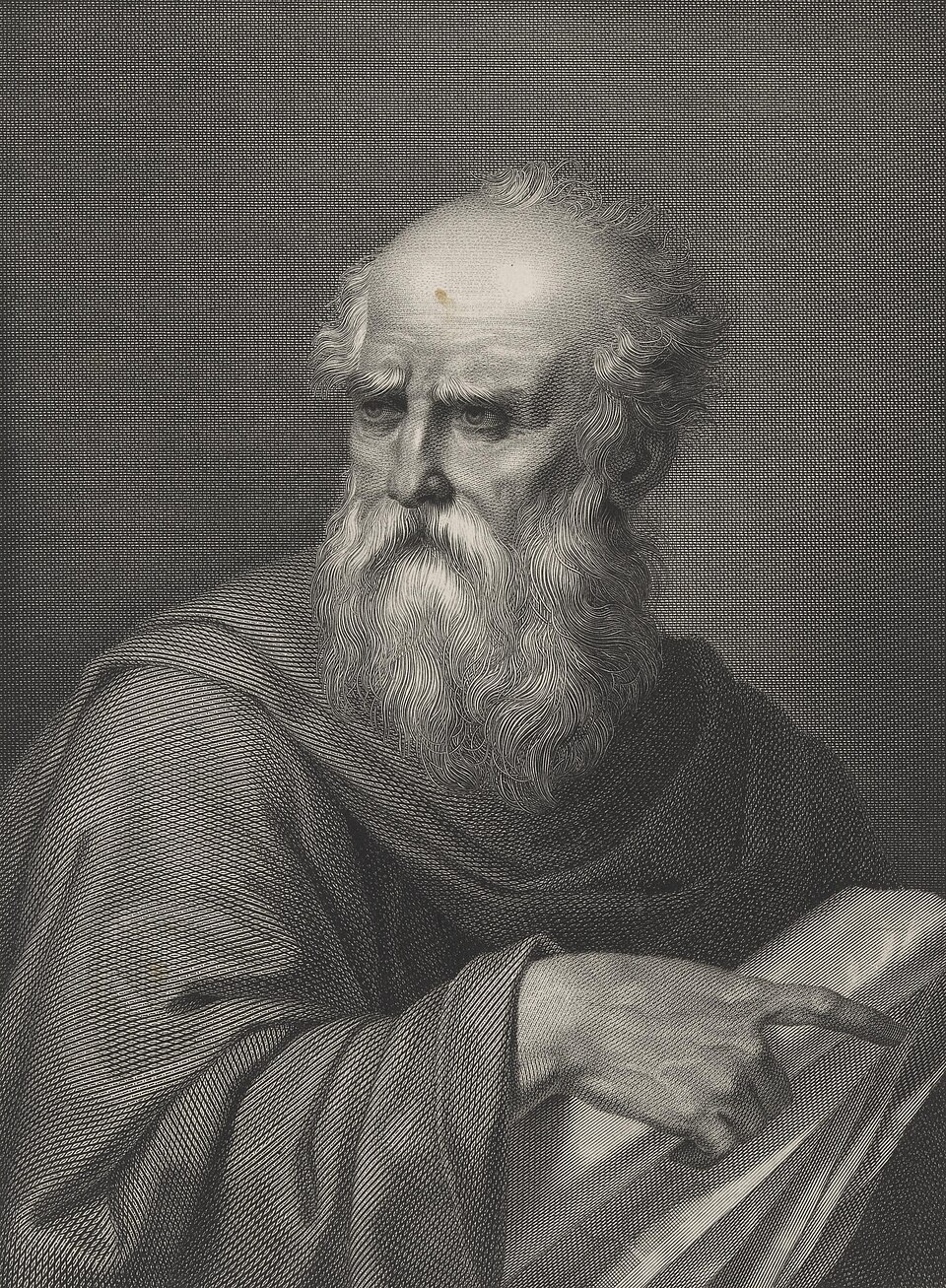
.jpg)
c. 80 BCE to c. 15 BCE, Roman Empire · Roman architect and military engineer
Also known as: Marcus Vitruvius Pollio
Marcus Vitruvius Pollio served as a military engineer under Julius Caesar and an architect under Augustus, and is the only ancient writer whose treatise on architecture has survived. De Architectura, ten books written in the late first century BCE, is the oldest extended argument that the design of buildings (and by extension of any built thing) rests on three properties simultaneously: firmitas (strength and durability), utilitas (commodity, suitability for purpose) and venustas (delight, beauty). The triad is the earliest articulation of the idea that usability, function and aesthetics are not separate concerns but a single design problem.
Vitruvius's discussion of the proportions of the human body, recovered and illustrated by Leonardo da Vinci as the Vitruvian Man, is the first systematic argument that buildings should be proportioned to the people who use them. The treatise was rediscovered in the Renaissance and shaped Palladio, Alberti and every subsequent treatise writer.
Related people: Andrea Palladio, Christopher Alexander
Works cited in this book:
Discussed in:
- Chapter 9: Design Laws from Architecture (Vitruvius and the Three Virtues)
- Chapter 1: Introduction: What Is Usability? (Why Architecture Matters)